


Riding to work shifts the tone of your whole morning. Instead of being stuck in traffic and watching the clock, you are moving with purpose. Your body wakes up along the way, and by the time you reach the office, you already feel alert. Over time, the commute becomes a positive part of your routine.
Why Cycle to Work in Australia?
Cycling to work in Australia feels practical for many reasons. Firstly, commutes are often short enough to handle by bike. And by riding, you give yourself control over your schedule. The climate also supports riding for much of the year. Traffic can be unpredictable so daily driving becomes draining over time. Still, commuter cycling gear in Australia must suit local conditions.
Once you ride regularly, the right commuter bike accessories start to matter more. They shape how safe, comfortable, prepared you feel. That is why the right commuter bike accessories make such a difference. Good cycling to work essentials keep you seen in traffic and comfortable in changing weather. And when your bike to work gear is sorted, the ride feels smoother.
1. Helmet – Your #1 Safety Essential
A proper bicycle helmet should be at the top of your bike to work gear list. In Australia, helmets must meet Australian helmet standards (AS/NZS 2063). That compliance matters. It confirms the helmet has passed local safety testing and not just overseas requirements.
MIPS helmet technology has become common in commuter cycling gear. It provides extra protection against rotational force in certain impacts.
Just as important as safety features is the way the helmet fits. A helmet should sit flat rather than tilted back resting evenly on your head. Straps need to hold firm without digging into your skin. When the fit is right, you stop noticing it altogether. That balance is what makes a helmet as one of your bike commuting essentials.
2. Lights & Reflectors – Be Visible Day and Night
Front bike lights matter even if you do not ride at night. Early mornings can feel visibly challenging, especially on tree-lined streets. Visibility also drops more than many riders realise. A strong white light at the front improves how visible you are to oncoming traffic. On the other hand, a steady red rear light signals your position to traffic behind you. As a result, you become easier to read in traffic as this reduces uncertainty for drivers around you. At the same time, reflectors still have a purpose. Because they reflect headlights from multiple directions, they can draw attention in ways steady beams sometimes miss.
3. High-Vis Clothing & Reflective Gear
High visibility clothing plays a bigger role than many riders realise. Because traffic environments are visually busy, bright tones give drivers something clear to register. For that reason, a fluorescent jacket or vest stands out in busy streets where visual noise is constant. Reflective sections then reinforce it once headlights come into play. This is especially true during early starts or late returns.
At the same time, visibility does not require loud styling. Many modern commuter pieces blend into office settings while quietly incorporating reflective detailing. After all, the goal is clarity from a distance, not attention for its own sake.
4. Bike Bell – Stay Audible and Alert
At first glance, a bicycle bell might look simple. In reality, it shapes how smoothly your commute unfolds. Shared paths across Australia are rarely empty. They can become busy very quickly, especially during peak hours. In those moments, a clear ring gives people time to register your approach. It replaces sudden braking or swerving with a simple signal.
The benefit continues once you enter traffic. At side streets or crossings, pedestrians often focus on cars rather than cyclists. A quick sound draws attention early, so this reduces confusion. Although small, this piece of bike-to-work gear improves communication on the road.
5. Sturdy Bike Lock – Protect Your Ride
A secure bike lock is essential for anyone cycling to work. It protects the effort you put into your commute. Commuter bikes often stand out, especially in busy city areas where foot traffic is constant. For that reason, locking well is part of riding well. U-lock or D-lock options tend to provide stronger resistance against leverage attacks. Many riders pair a D-lock with a chain lock to secure both the frame and the wheels. Quick-release wheels can be removed in seconds if left unprotected so extra coverage matters.
6. Bags for Commuting – Backpack vs Pannier
The choice between backpack or pannier usually depends on routine. Ortlieb or Thule panniers bags remain popular because they sit securely on the bike. These bags are known to handle wet weather well. They also reduce pressure on the shoulders which can make longer commutes more comfortable.
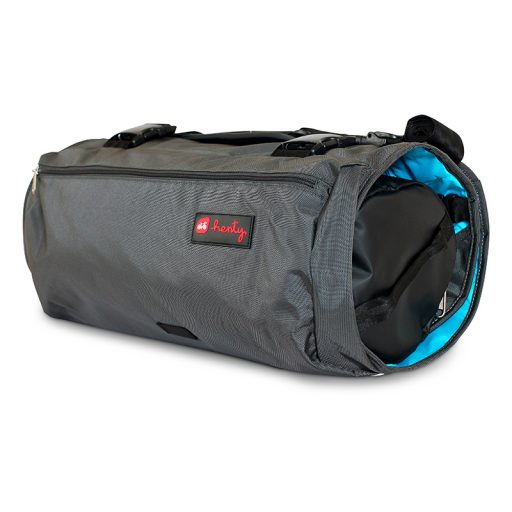
However, once workwear enters the picture, things can feel different. A laptop requires secure storage. A suit requires care. Smaller items need structure. For that reason, a purpose-built waterproof backpack can feel more practical.
Our Wingman Backpack was designed with this in mind. It rolls clothing rather than folding it which reduces creasing. It also has semi-rigid ribs that support the shape while riding. The interior holds a suit or dress, laptop, documents, daily gear in one organised system. Because of this design, the transition from commute to workplace feels seamless.
7. Mudguards (Fenders) – Combat Wet Weather
Mudguards are often overlooked in commuter cycling gear across Australia. Yet after even a short shower, roads remain wet long after the sky clears. That moisture picks up grit from the surface. Without mudguards, spray lifts straight onto your back or legs. And we all know that this can turn a short ride into a messy one. Full-length mudguards redirect that spray before it reaches you. They also keep water from flicking up into your face when riding at speed. Even in cities known for dry weather, winter conditions make them worthwhile.
8. Weather-Proof Apparel – Rain or Shine
Weather-appropriate clothing changes how the commute feels. Since conditions can change between morning departure and evening return, preparation is important.
Rain Gear for Wet Days
During wet weather, a lightweight waterproof jacket that packs small is worth carrying. Breathable materials reduce heat build-up during effort. Waterproof overshoes keep socks dry, which helps maintain comfort once you arrive. Likewise, cycling gloves provide better control in slippery conditions. They also protect your hands if the surface becomes slippery.
Sun Protection for Hot Weather
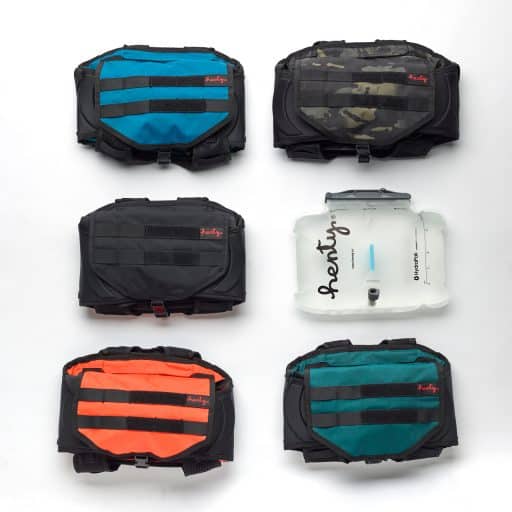
In contrast, hot weather brings a different challenge. The Australian sun is strong even in the early morning. Therefore, sunscreen is necessary on exposed skin. UV protective clothing adds another layer of defence. Cycling sunglasses improve clarity while blocking glare. As temperatures rise, hydration becomes even more important. A hydration system supports regular sipping rather than waiting until fatigue sets in. This is why many riders turn to a hydration system to stay consistent on the move.
9. Tool Kit & Flat Repair Essentials
Roads across Australian cities often hide debris so being prepared keeps the ride steady. Thus, when you carry the right tools, a delay stays short.
Spare Tube, Tire Levers & Patches
A spare tube suited to your tyres gives you a quick solution when punctures occur. Tyre levers make removal easier without damaging the rim. Patch kits take up very little space, yet they provide reassurance. In addition, puncture-resistant tyres lower the chance of roadside stops, especially on streets scattered with glass.
Portable Pump or CO₂ Inflator
A hand pump offers steady, dependable inflation during everyday riding. In contrast, a CO2 inflator works quickly when time is limited. Many commuters select the option that suits their route, though longer rides may justify carrying both.
Multi-Tool
A compact multi-tool handles most minor adjustments. Saddles shift over time. Handlebars loosen after rough sections. Brakes may need small corrections. With a multi-tool on hand, these minor issues stay manageable rather than disruptive.
10. Comfort Upgrades – Making the Commute Enjoyable
The right comfort upgrades can transform a routine commute. Instead of simply getting from point A to point B, the ride starts to feel enjoyable. A well-fitted saddle supports you properly. Padded cycling gloves absorb vibration from uneven roads. Slightly wider tyres at lower pressure help absorb bumps that would otherwise feel harsh.
In Australia, comfort also means staying aware of local conditions. During spring, magpie swooping can become part of regular routes, so maintaining a steady pace helps keep the ride controlled.
Over time, these small changes add up. These details influence how your body feels at the end of the ride. When everything feels dialled in, the ride becomes fluid rather than tiring. And instead of managing discomfort, you simply settle into the rhythm.
Gear Up for a Safe, Smooth Ride
The way you carry your gear also shapes the commute. At Henty, we design commuter gear that keeps workwear organised while you ride. Pair that with basic repair tools and comfort upgrades, and the routine feels smoother. If you want a smarter way to carry your gear, explore the commuter range at Henty and find a setup that suits your ride.